
#Project | Update
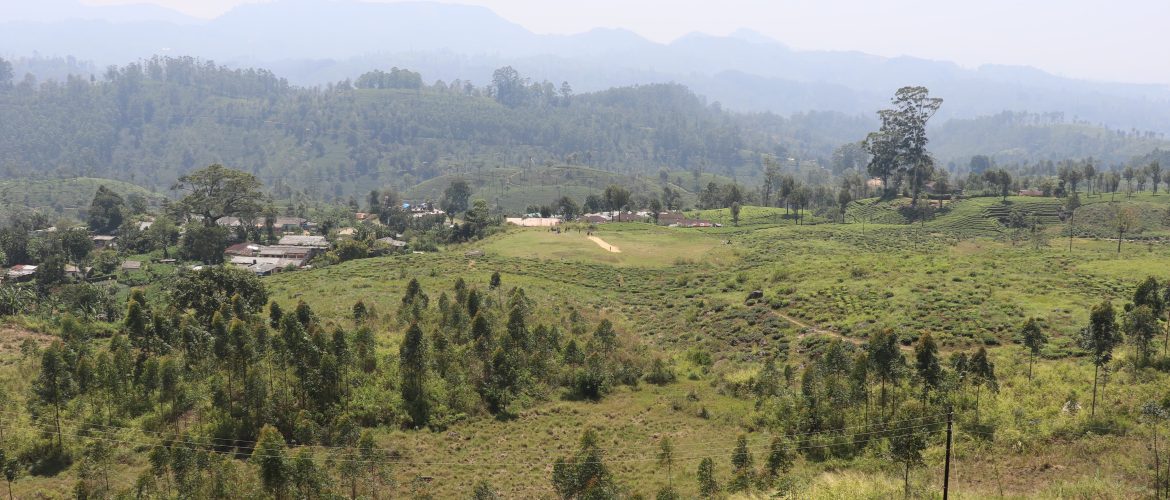
Work is progressing on the preparation of the GEF-8 project for Sri Lanka’s Central Highlands Landscape (CHL), building on the evidence, priorities and perspectives gathered through national and district-level consultations.
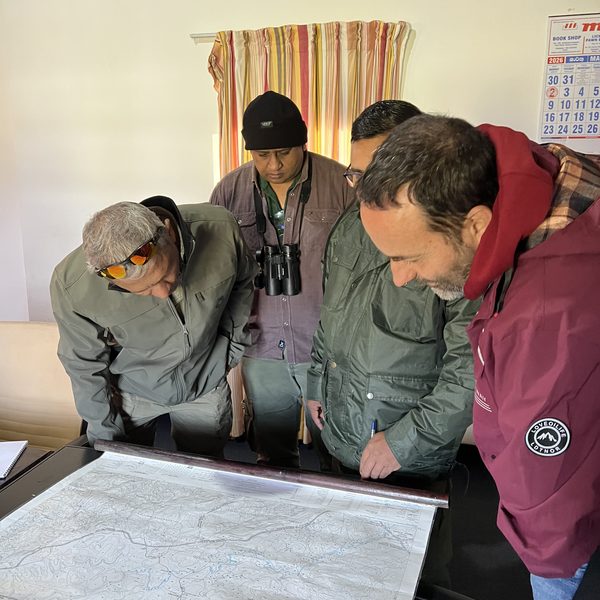
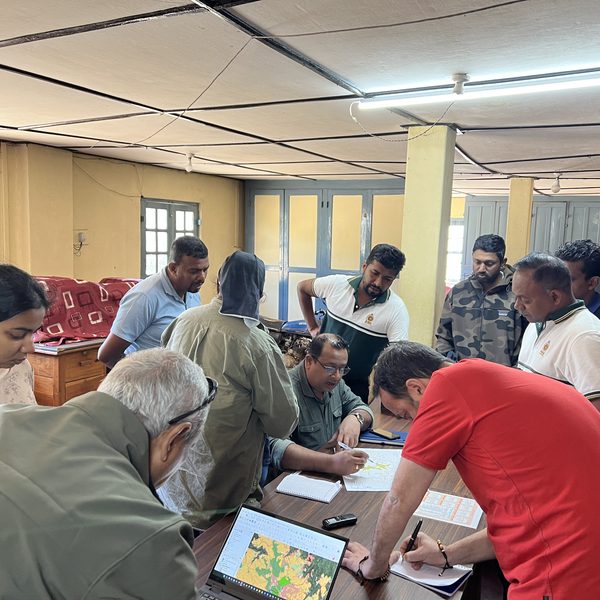
Following the inception phase, the SETIN team has been working on translating stakeholder inputs, field observations and available technical information into the Project Document (ProDoc), refining the project strategy, proposed interventions and implementation arrangements.
The consultation process provided a strong evidence base for project design. Across the five target districts of Nuwara Eliya, Badulla, Ratnapura, Kegalle and Kandy, stakeholders consistently highlighted a number of interconnected pressures affecting the Central Highlands. These include soil erosion and land degradation, deforestation and encroachment, water insecurity and pollution, landslides and other natural hazards, as well as gaps in awareness, governance and institutional coordination.
These findings are now directly informing the development of the project’s interventions.
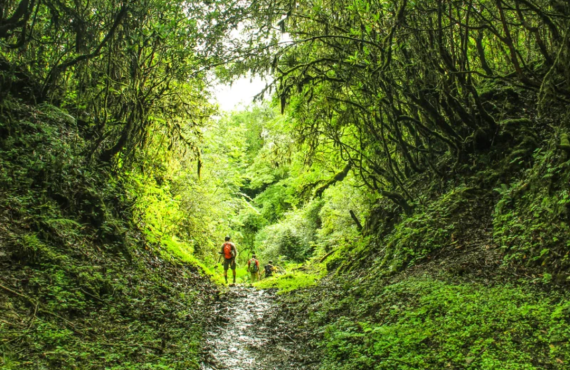
A particularly important outcome of the consultation process was the identification, across all five districts of potential landscape-scale ecological connectivity areas. These spatial inputs are being considered in the design of activities aimed at strengthening ecological connectivity and improving the management of critical habitats throughout the Central Highlands.
The analysis also highlighted the importance of connecting national-level policy and financing mechanisms with practical action at district and community level. National stakeholders emphasized areas such as policy reform, biodiversity information systems, innovative conservation finance, Other Effective Area-Based Conservation Measures (OECMs) and improved governance structures. At district level, stakeholders placed greater emphasis on enforcement, physical boundary demarcation, soil and water conservation, human–wildlife conflict and stronger local coordination mechanisms.
The project design therefore seeks to bridge these different levels, ensuring that strengthened policies, financing mechanisms and institutional arrangements can support tangible conservation action on the ground.
Communities will also play a central role in project implementation. The consultations confirmed that there is no single engagement model suitable for the entire Central Highlands. Differences in educational levels, languages, cultures, livelihoods, capacities and time availability will need to be reflected in the design and delivery of project activities.
The findings also highlighted the need for targeted measures to strengthen women’s participation and to address linguistic and socio-economic barriers affecting some communities, including up-country Tamil communities.
Moving through the GEF review process
Following several months of technical development and consultation, the project documentation was submitted to the GEF in June 2026, marking an important milestone in the Project Preparation Grant process.
In September 2026, the project received its first round of comments through the GEF review process. The consulting team, working closely with project partners, subsequently reviewed and addressed the comments and incorporated the requested clarifications and revisions into the project documentation.
The revised package has now progressed further through the review process, and the team is awaiting the next round of feedback from the GEF, with the objective of addressing any remaining issues and advancing the project towards final approval.
This iterative review is an important part of GEF project preparation, helping to further strengthen the project’s theory of change, technical rationale, safeguards, financing arrangements, results framework and implementation approach before approval.
The project is therefore entering the final stages of a preparation process that has brought together national institutions, district authorities, communities and technical specialists around a common objective: improving the conservation, ecological connectivity and sustainable management of one of Sri Lanka’s most important landscapes.
The SETIN team supporting the project includes Daniel Bazzucchi, Team Leader; Eric Wikramanayake, Biodiversity Conservation Specialist; Sevvandi Jayakody, Ecology and Environmental Management Specialist; Catarina Mota, ESS and Gender Specialist; and Giacomo Cozzolino, Conservation Finance Specialist.