
#Project | Update
SETIN is currently conducting the final evaluation of the project “Prevention of Conflicts Related to Natural Resources, Pastoralism and Transhumance in the Regions of Bafatá and Gabú”, in Guinea-Bissau. Funded by the United Nations Peacebuilding Fund (PBF) and implemented by three United Nations agencies, the Food and Agriculture Organization of the United Nations (UNFAO), the United Nations Human Settlements Programme (UN-Habitat), and the United Nations Population Fund (UNFPA), the project has a total budget of USD 2.5 million and was designed to contribute to peacebuilding, sustainable natural resource management, and social inclusion in the regions of Bafatá and Gabú.
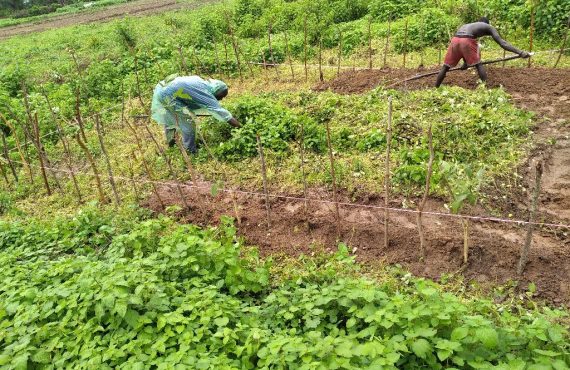
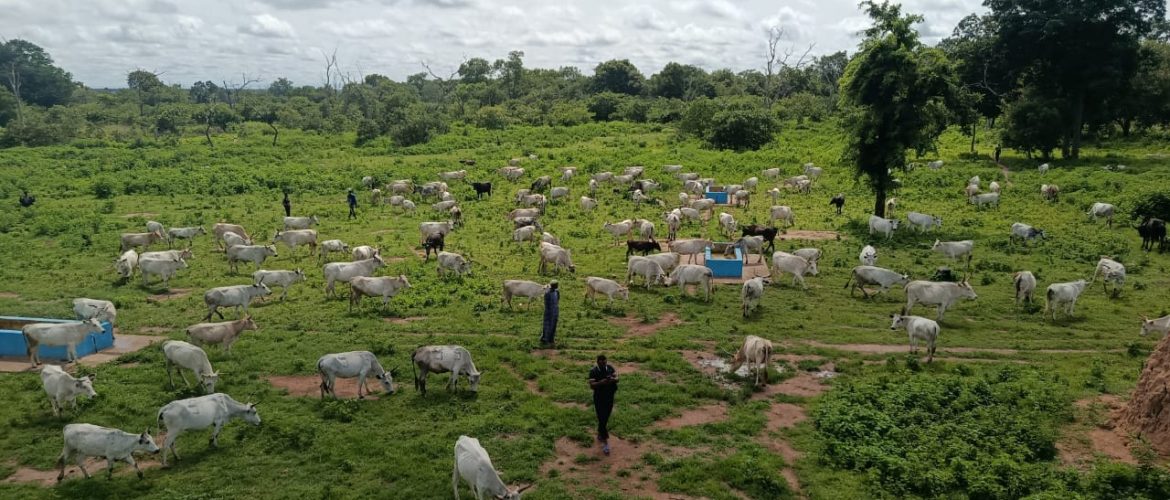
In Guinea-Bissau, access to and management of natural resources, particularly land, water, and grazing areas, represent significant challenges for rural communities. Competition over these resources, combined with climate change and limited institutional mechanisms for resource management, has contributed to tensions and conflicts between farmers, livestock herders, and transhumant pastoral communities.
To address these challenges, the project aims to promote dialogue, strengthen local and institutional capacities, and support more inclusive and equitable natural resource governance. Its interventions are structured around two main areas:
- Sustainable natural resource management and conflict prevention
This component focuses on strengthening inclusive mechanisms for managing land, water, and grazing resources, improving dialogue and cooperation between farmers, pastoralists, local authorities, and other stakeholders, and supporting participatory approaches to territorial planning and natural resource governance. It also seeks to reinforce local capacities for conflict prevention, mediation, and peaceful dispute resolution.
- Social inclusion and access to essential services
The second component focuses on promoting the participation and representation of marginalized pastoralist communities in decision-making processes, strengthening the inclusion of women, young people, and vulnerable groups, and improving access to essential services, including healthcare, veterinary services, and water. It also supports community dialogue and cooperation to promote peaceful coexistence.
SETIN has been entrusted with conducting an independent final evaluation of the project’s implementation, achievements, and potential long-term contributions. The evaluation examines the project’s relevance, effectiveness, efficiency, sustainability, and progress towards its intended impacts, adopting a participatory and evidence-based approach that combines document review, stakeholder consultations, field observations, and qualitative data collection.
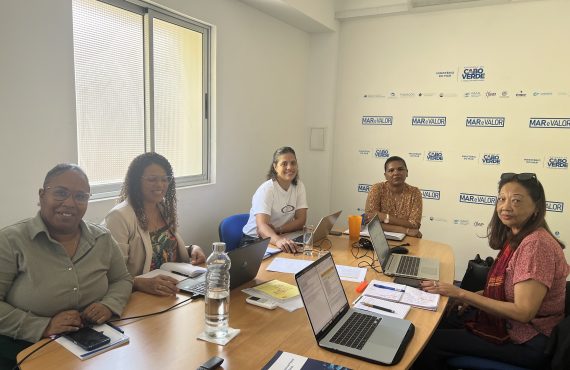
As part of this assignment, SETIN’s evaluation team has already undertaken a field mission in Guinea-Bissau, carrying out stakeholder consultations and interviews to gather information on the project’s implementation, achievements, challenges, and perceived effects. The mission involved engagement with national, regional, and local authorities, project implementation partners, local associations and civil society organizations, as well as community representatives and project beneficiaries.
This fieldwork is particularly important for understanding how project interventions have operated in practice, capturing the perspectives of local communities, and examining the potential sustainability of results. The information collected is being analyzed and triangulated with project documentation and other available evidence to develop independent findings, conclusions, and recommendations.
Beyond assessing project performance, the evaluation is intended to support institutional learning and inform future interventions, helping to identify effective approaches to conflict prevention, inclusive territorial governance, and sustainable natural resource management. Attention is being given to understanding how participatory mechanisms, community dialogue, institutional cooperation, and access to essential services can contribute to lasting peace and resilience.
The evaluation will also identify good practices, lessons learned, and opportunities for sustainability and replication, providing practical recommendations to strengthen the long-term impact of peacebuilding interventions. These insights will help the implementing agencies build on successful approaches while supporting the PBF in identifying effective strategies and investment opportunities to advance peaceful coexistence, sustainable natural resource management, and social inclusion in Guinea-Bissau.